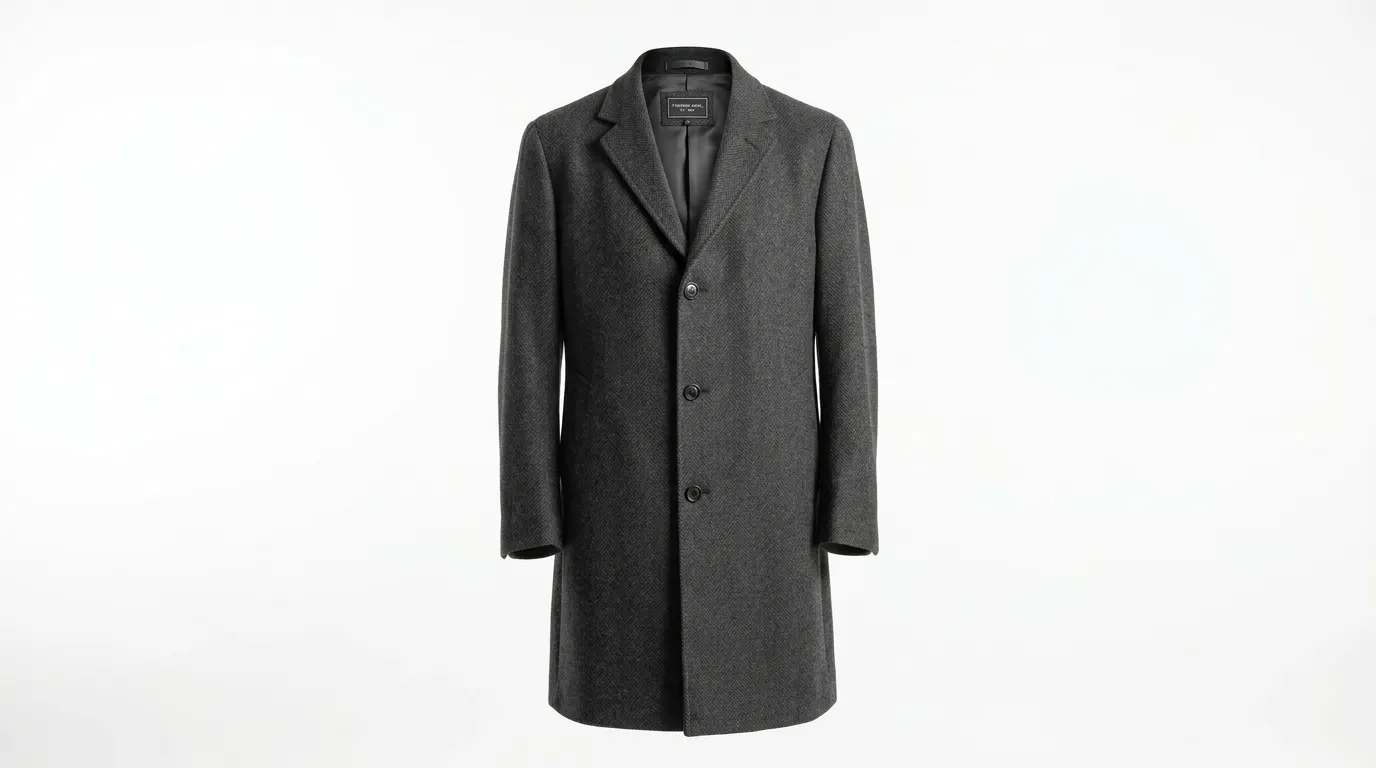
UK Fashion Photo Editing: How to Choose a Studio for Your Brand
Most UK fashion brands choosing an editing studio are really deciding four things. Whether the studio works your hours. How fast images come back. Whether they know garments specifically, or just product photography in general. And whether you can test them before you commit a deadline to them.
This covers all four, including the cases where a UK studio is the wrong answer.
Pixel By Hand is a UK fashion post-production studio. We work from Cardiff for brands here and overseas, and we have been editing fashion imagery since 2006.
Does a UK-based editor actually matter?
Sometimes. It depends on how you work more than where you are.
It matters when you need to talk about a brief the same working day, when your drops are time-sensitive and a twelve-hour question-and-answer cycle would cost you a day, or when your team works GMT and wants feedback resolved before they go home.
It matters much less when your briefs are stable and well documented, your volumes are predictable, and you are comfortable handing work over and picking it up the next morning.
The real advantage of a UK studio is overlap, not patriotism. A question asked at 10am gets answered at 10am. For a brand pushing a collection live on a fixed date, that is often the difference between one revision round and three.
If your brief is settled and your deadlines are soft, an overseas studio will probably serve you well, and frequently for less money. We would rather say that than pretend otherwise.
The four things worth checking
1. Garment specialism, not general product editing
Fashion is not the same problem as editing a kettle.
Fabric misbehaves. Lace and mesh need edge work that a general clipping-path workflow will flatten. Knitwear loses its texture under heavy retouching. Black garments lose shape detail the moment someone pushes contrast to clean up a background.
So ask a studio to edit something difficult, not something easy. A structured jacket on white proves nothing at all. Send the lace top. Send the black dress. Send the thing with fur trim that always comes back wrong.


2. Turnaround, stated in hours
"Fast" is not a specification. Ask for a number in hours, ask whether it still holds in your busiest week, and ask what happens when it slips.
Ours is 24 hours, and it is the same figure for a trial as for live work.
3. What happens when an image comes back wrong
Every studio eventually produces an image you do not like. What matters is what happens next.
We include unlimited revisions. You check the images against your brief and tell us what needs changing. No per-revision charge, no cap, no debate about whether the revision was justified.
4. Whether you can test before committing
You should not have to take a studio's word for its quality.
Ask for a trial on your own garments. Not their portfolio, which by definition shows the work that went well.
Single-image ghost mannequin, and why it changes a shoot day
Most ghost mannequin workflows need two shots per garment: the on-mannequin shot, plus a separate inside or neck shot so the editor can build the interior.
Ours works from one photograph. No inside shot, no neck shot.
The reason that matters to a UK brand is shoot time. If you are getting through 80 garments in a day, cutting a setup from every one of them is real money in studio hours. It also means a garment nobody remembered to shoot an inside frame for is still usable.


What we would tell you not to send us
Not everything belongs with an editing studio.
If the garment is badly pinned or the drape is wrong, editing will not fix it convincingly, and you should reshoot. If an image is fundamentally underexposed, recovery is possible but it rarely matches a frame that was exposed properly in the first place. And if you want art direction in the room for a campaign hero image, that is a retoucher sitting with you, not a batch workflow.
Any studio that tells you it can fix anything is selling to you.
How to run a trial that actually tells you something
Pick 3-5 representative images. Not your best ones. Include whichever garment type usually causes trouble.
Write the brief you would genuinely send. If you normally give two lines of direction, give two lines. Testing a studio against an unusually detailed brief tells you nothing about a normal week.
Then judge consistency rather than the single best image, because consistency is what saves you time later. Look hard at edges on textured fabric, check colour against the physical garment rather than your memory of it, and see whether the shadows look like they belong.
Our trial is 3-5 images, edited free and back within 24 hours. No commitment, no card. We take JPEG, PNG, PSD and TIFF.


Start a free trial, or have a look at what we edit.
Frequently asked questions
Do you only work with UK brands?
No. We are UK-based and work with brands internationally. The UK base mainly matters for time-zone overlap on time-sensitive work.
Where are you based?
Our studio is in Cardiff. We work with brands across the UK and overseas. Nothing needs to be delivered physically, so there is no advantage to being near us.
Do you work with photographers as well as brands?
Yes. A good share of our work comes from photographers and studios who shoot fashion and want post-production handled to one consistent standard.
How do you keep editing consistent across a range?
We build an editing specification around your brand. It is the reference each image gets worked to, so the standard does not depend on which editor picked up the file.
What file formats do you accept?
JPEG, PNG, PSD and TIFF.
Paul Lloyd founded Pixel By Hand and still handles client relationships and quality oversight. We have been editing fashion imagery since 2006.
Related reading: Ghost mannequin effect guide · In-house vs outsourced product photo editing · How to compare clipping path services