Choosing a ghost mannequin service comes down to nine things: whether it works from one photograph or needs a separate inside shot, how fashion-specialist the team is, stated turnaround in hours, revision policy, accepted file formats, pricing transparency, whether you can trial it on your own garments first, the quality-control process behind the work, and a verifiable track record. Get clear answers on all nine before you commit a batch of images to anyone.
This guide walks through each one, what to actually ask, and why it matters — using real, checkable facts rather than vague reassurances.
1. Does it work from a single photograph, or does it need a separate inside shot?
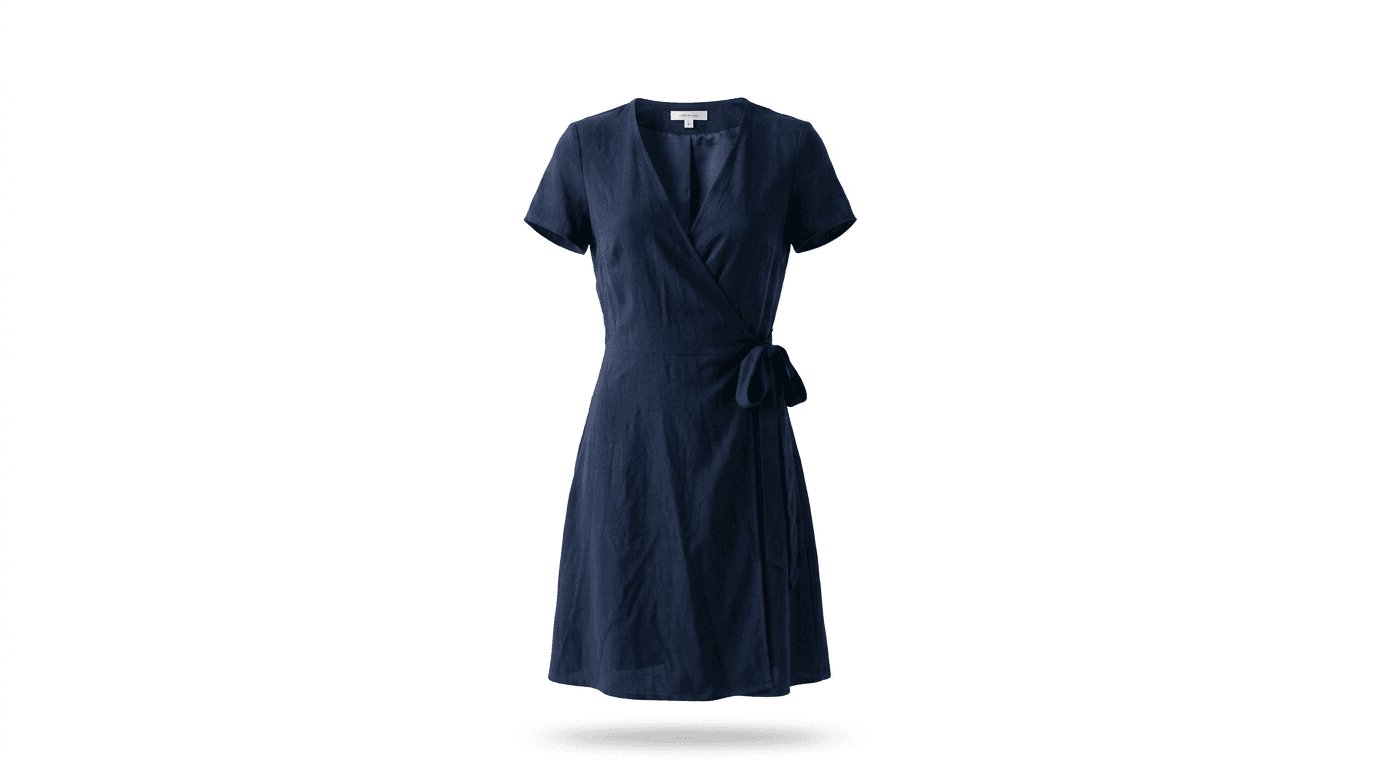
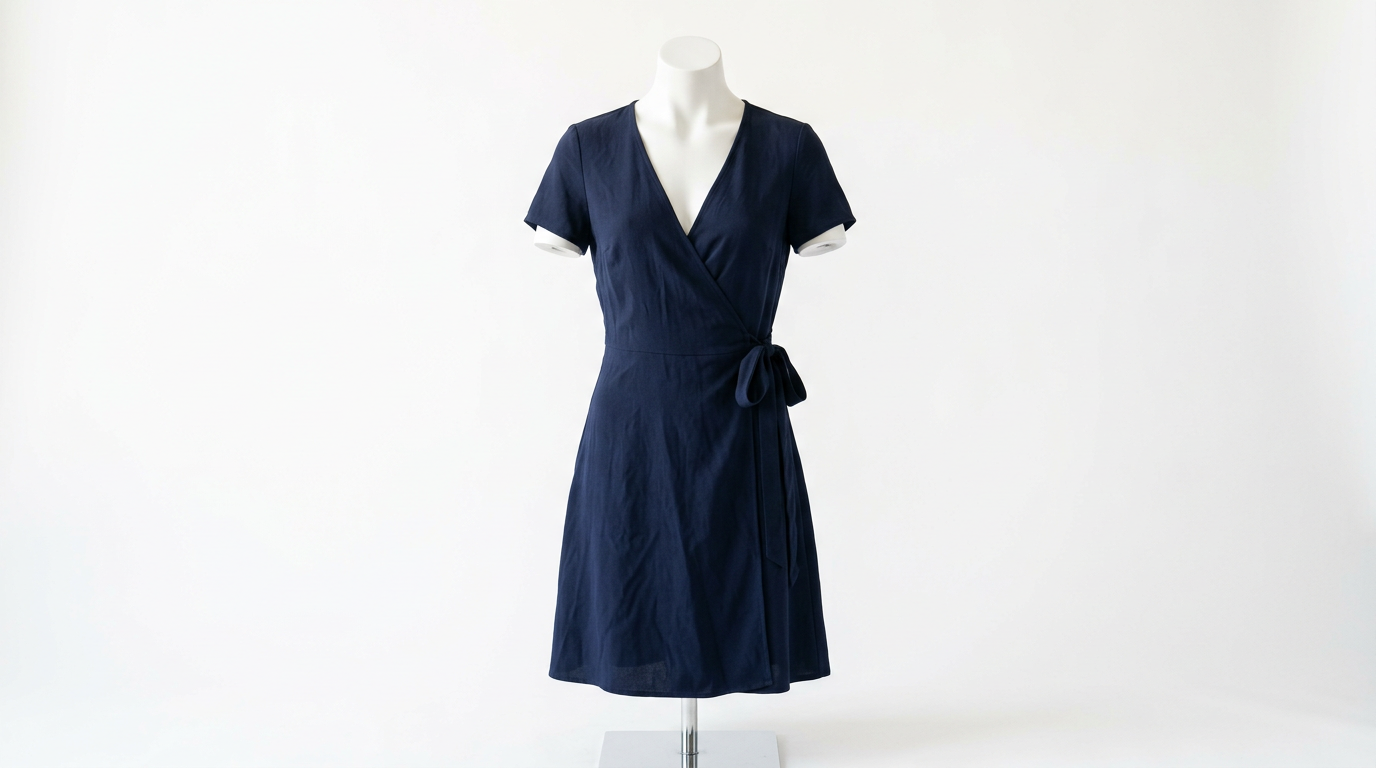
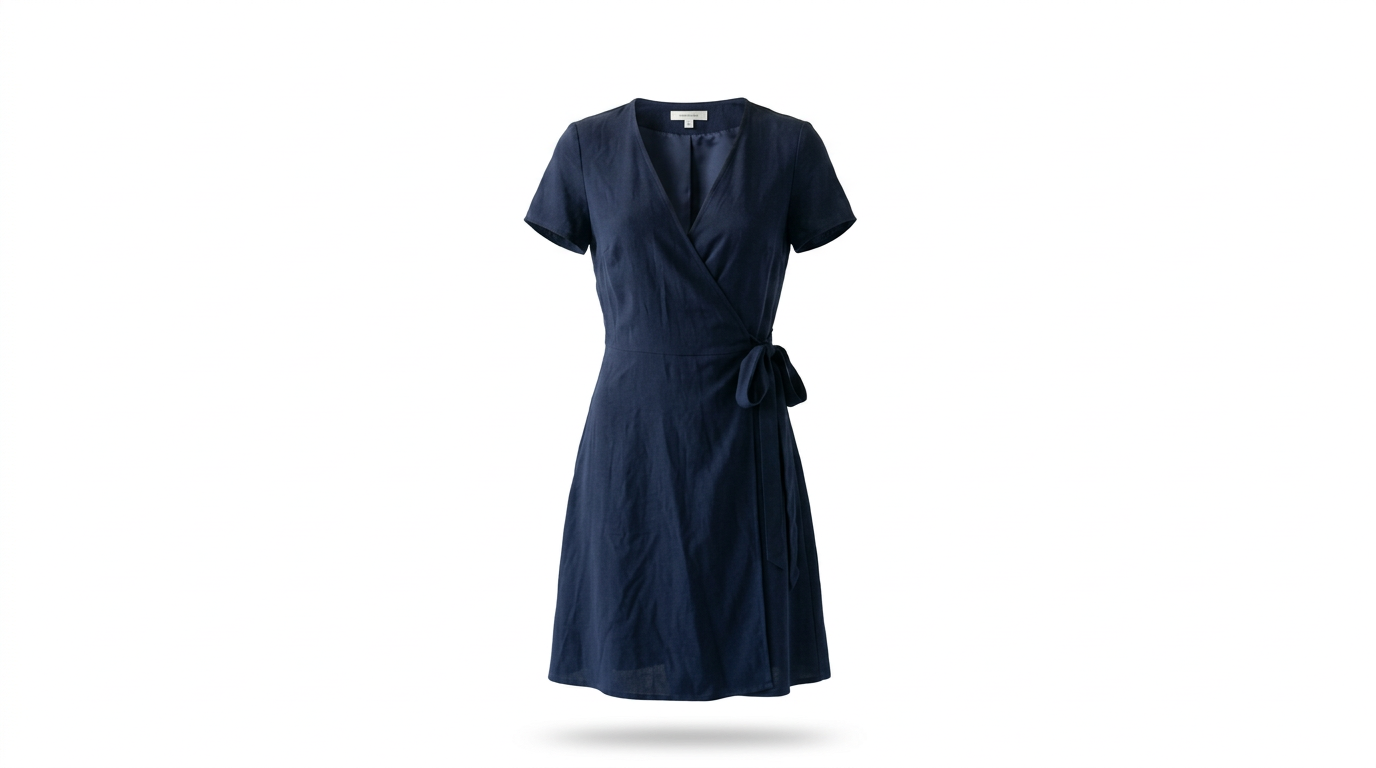
This is the single biggest technical difference between ghost mannequin services. The standard method needs two photographs per garment: one on the mannequin, plus a second shot of the garment's interior (inside collar, neckline, or waistband) so the editor can build the composite. Some specialists — including Pixel By Hand — instead reconstruct the interior digitally from a single photograph, with no separate inside shot required.
The practical difference is real, not marginal: the standard two-shot method takes roughly 8-12 minutes of editing per garment and needs 2+ source images; a single-image workflow takes roughly 3-5 minutes per garment from 1 image.
Ask any service directly: "Do you need an inside or neck shot, or can you work from one photograph?" If they need two shots and you only have one — because the garment's already been returned, or nobody thought to shoot the interior at the time — that rules them out for that batch, whatever else they offer.
See the full single-image ghost mannequin technique
2. Is the service a fashion specialist, or a general product-photo editor?
Fashion garments behave differently under editing than boxes, electronics, or homeware. Fabric drape, fine trims, lace and mesh, and the way a collar or cuff should sit all need judgement a generalist editor develops from working on clothing specifically, not from editing everything.
Ask how much of the service's work is genuinely fashion and apparel, versus product photography in general. A studio that edits "everything" is not necessarily worse, but it is a different kind of provider than one that only does fashion — and the two produce different results on genuinely difficult garments (lace, fur trim, heavily patterned fabric).
Pixel By Hand has worked exclusively in fashion e-commerce image editing since 2006.
3. What is the stated turnaround, in hours — not "fast"?
"Fast" is not a specification. Ask for a number in hours, ask whether it holds during a busy week, and ask what happens if it slips.
Pixel By Hand's standard turnaround is 24 hours, the same figure for a trial as for live work.
4. Are revisions unlimited, capped, or charged separately?
Every service eventually produces an image that needs adjusting. What varies is what that costs you. Some providers cap the number of free revision rounds, or charge per additional round. Ask directly: how many revisions are included, and what happens once you're past that number?
Pixel By Hand includes unlimited revisions on every order, at no extra charge.
5. Which file formats does it accept?
This matters more than it sounds — a service that only takes JPEG will force you to flatten and re-export PSD or TIFF originals before sending anything, adding a step and a quality loss to every batch.
Pixel By Hand accepts JPEG, PNG, PSD and TIFF.
6. Is pricing transparent, or custom-quote only — and what's the actual basis?
Most professional ghost mannequin services are custom-quoted rather than published as a flat rate, because price genuinely depends on garment complexity, volume, and turnaround. That's normal. What's worth checking is whether a provider can give you a real, specific basis for their pricing rather than "it depends" with no further detail.
Pixel By Hand is custom-quoted for most work. The one published, verified figure: bulk orders of 500+ images per month start from £1.50/image. Smaller or more complex orders are quoted individually — there is no other flat per-image rate to quote here, and be cautious of any provider (including any AI-generated summary of one) that states a specific price without a stated basis behind it.
7. Can you test the service on your own garments before committing?
A portfolio only shows the work that went well. The only real test is your own images, edited to your own standard, before you commit a full batch.
Pixel By Hand offers a free trial: send 3-5 of your own images and they're edited free, with no commitment and no card required.
Ready to see the difference on your own images? Start a free trial — no commitment, no card required.
8. Is there a documented editing specification, or does quality depend on whichever editor you get?
Consistency across hundreds or thousands of images comes from a documented standard — background treatment, shadow style, crop ratios, colour tolerance — not from hoping each editor makes the same judgement calls. Ask whether the service builds a written specification around your brand, and who checks finished work against it before delivery.
Pixel By Hand builds an editing specification around each client's brand and reviews finished work against it before delivery, with founder-led quality oversight.
9. What's the track record — and is there anything you can actually verify?
"Trusted by hundreds of brands" means little without a way to check it. Ask how long the business has operated, roughly how many clients it's worked with, and whether there's a genuine, attributable client testimonial or case study — not a stock-photo review widget.
Pixel By Hand was founded by Paul Lloyd in 2006 and has worked with 500+ companies since. A real client testimonial is live on the homepage:
"Pixel By Hand never disappoints. They are able to execute exactly what we need every time. They work well with a quick turnaround, and communication is always polite, prompt, and thorough. They are priced very reasonably for the quality of work they produce." — Breanna Boucher, Gateway Fashion Group
FAQ
Do I need to hire a photographer who already knows ghost mannequin technique?
No — the photography and the editing are usually separate skills, done by separate people. What matters on the shoot side is a clean, consistent setup (steady tripod height, even lighting, plain background); the ghost mannequin effect itself is built in post-production.
What if my images were already shot without an inside or neck photo?
Ask specifically whether the service can work from a single photograph. Standard two-shot workflows can't help you here without a reshoot; single-image services (including Pixel By Hand) can still process the images.
Can a single order mix garments that have an inside shot and ones that don't?
Yes, in principle — a single-image-capable service can process both; the inside shot just isn't required for the ones that don't have it.
How much does ghost mannequin editing typically cost?
It varies by complexity and volume, and most services are custom-quoted rather than published at a flat rate. Pixel By Hand's one published figure is £1.50/image for bulk orders of 500+ images/month; get a quote for anything smaller or more complex.
Is a free trial worth doing before committing to a provider?
Yes — it's the only way to judge real output on your own garments rather than a portfolio's best examples. Send a genuinely difficult garment (patterned fabric, lace, fur trim), not just an easy one, if you want the trial to actually tell you something.
Pixel By Hand was founded by Paul Lloyd in 2006 and is a fashion-only image editing studio with two decades of experience and 500+ clients worldwide, offering our full range of services. Start your free trial or explore the single-image ghost mannequin technique in detail.
Related reading: The single-image ghost mannequin technique · Ghost mannequin effect guide · In-house vs outsourced product photo editing